Lubrication Failure in Machinery: A Comprehensive Analysis
Hydropower’s reliability hinges on rotating equipment, yet generators are vulnerable; winter exposes lubrication weaknesses, impacting product selection and maintenance schedules significantly.
Lubrication failure represents a critical concern across diverse industrial sectors, leading to substantial economic losses and operational disruptions. It’s not merely about oil or grease; it’s a systemic issue impacting machinery lifespan, efficiency, and overall reliability. The dependability of renewable energy sources, like hydropower, heavily relies on consistently functioning rotating equipment – generators specifically – which are susceptible to lubrication-related problems.
These failures aren’t always dramatic, catastrophic events. Often, they manifest as gradual performance degradation, increased energy consumption, or premature component wear. Identifying the root causes is paramount, and understanding the interplay between lubricant properties, operating conditions, and maintenance practices is essential. Winter conditions, as observed in many fleets, frequently exacerbate existing lubrication deficiencies, predictably revealing weaknesses in current strategies;
A comprehensive understanding of lubrication failure modes, preventative measures, and predictive maintenance techniques is therefore crucial for optimizing machinery performance and minimizing downtime. This analysis will delve into these aspects, providing a detailed overview of this vital engineering discipline.
Types of Lubrication Failures
Lubrication failures aren’t monolithic; they present in diverse forms, each with unique characteristics and underlying causes. Broadly, these failures can be categorized into three primary types: wear-related, contamination-related, and fluid-related. Wear failures encompass scenarios like adhesive wear, abrasive wear, and fatigue wear, directly impacting component surfaces.
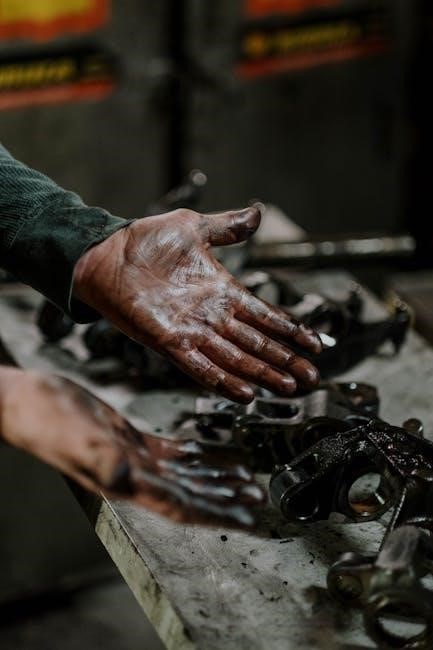
Contamination-related failures stem from the introduction of foreign substances – water, particles, or chemical agents – into the lubricant, compromising its protective properties. Fluid-related failures, conversely, originate from within the lubricant itself, encompassing degradation, oxidation, and viscosity changes.
Understanding these classifications is vital for accurate diagnosis. For instance, a sudden increase in wear might indicate lubricant film breakdown, while consistent particle counts suggest a filtration issue. Recognizing these distinctions allows for targeted corrective actions, preventing further damage and extending equipment life, particularly in critical systems like hydropower generators.
Wear-Related Failures
Wear-related failures represent a significant category of lubrication breakdowns, directly impacting the lifespan and performance of machinery components. These failures manifest in several forms, including adhesive wear, where surfaces bind due to insufficient lubricant film, and abrasive wear, caused by hard particles scoring the metal surfaces.
Fatigue wear, resulting from cyclical loading, also falls under this classification. The root cause often lies in inadequate lubricant properties, leading to metal-to-metal contact and subsequent material removal. Identifying the specific wear mechanism is crucial for effective remediation.
For example, scuffing, a severe form of adhesive wear, demands immediate attention, potentially requiring surface refinishing or component replacement. Proactive monitoring, coupled with appropriate lubricant selection, is paramount in mitigating these wear-induced failures, especially within demanding applications like hydropower generation.
Contamination-Related Failures
Contamination represents a pervasive threat to lubrication systems, initiating a cascade of detrimental effects. Particulate contamination, stemming from both internal sources (wear debris) and external ingress (dust, dirt), acts as an abrasive agent, accelerating wear on critical surfaces. Water contamination, equally damaging, promotes corrosion and degrades lubricant properties, reducing its protective capabilities.
Chemical contaminants, such as cleaning agents or process fluids, can alter lubricant viscosity and lead to sludge formation. These contaminants compromise the lubricant film, increasing friction and heat generation. Effective filtration systems and sealed lubrication circuits are vital in minimizing contamination.
Regular oil analysis, specifically particle counting and water content measurement, provides early warning signs of contamination build-up, enabling timely intervention and preventing catastrophic failures, particularly in sensitive equipment.
Fluid-Related Failures
Lubricant degradation and improper fluid selection constitute significant fluid-related failure modes. Oxidation, a common degradation pathway, results in increased viscosity, sludge formation, and acid build-up, diminishing the lubricant’s ability to protect surfaces. Thermal breakdown, especially at elevated temperatures, alters the lubricant’s chemical structure, reducing its effectiveness.
Shear instability, where the lubricant’s viscosity decreases under stress, compromises film thickness and increases wear. Incorrect lubricant viscosity for the application leads to either insufficient film formation (too low) or excessive friction (too high).
Mixing incompatible lubricants can cause chemical reactions, leading to precipitate formation and loss of lubricating properties. Regular oil analysis, including viscosity measurements and acid number determination, is crucial for monitoring fluid condition and preventing failures.
Common Causes of Lubrication Failure
Lubrication failures frequently stem from a combination of factors, often interconnected. Inadequate lubricant selection, failing to match the fluid’s properties to the equipment’s demands and operating conditions, is a primary contributor. Improper lubrication schedules, including insufficient relubrication intervals or incorrect application methods, leave machinery vulnerable to wear.
Environmental factors play a critical role; exposure to extreme temperatures, humidity, and contaminants accelerates lubricant degradation and compromises its protective capabilities. Filtration failures allow abrasive particles to circulate, causing accelerated wear.
Human error, such as over or under-lubrication, and the use of contaminated lubricants also contribute significantly. A proactive approach, encompassing careful lubricant selection, diligent maintenance practices, and robust contamination control, is essential for preventing these failures.
Inadequate Lubricant Selection
Selecting the wrong lubricant is a frequent root cause of machinery failure, often stemming from a misunderstanding of operational demands. Viscosity is paramount; a lubricant too thin fails to maintain a protective film, leading to metal-to-metal contact and wear. Conversely, excessively viscous fluids can hinder flow, starving critical components.
Base oil type matters significantly – mineral, synthetic, or bio-based – each possessing unique properties suited to specific applications. Additive packages, designed to enhance performance (anti-wear, corrosion inhibition, oxidation stability), must align with the equipment’s materials and operating environment.
Ignoring manufacturer recommendations or attempting to use a ‘one-size-fits-all’ approach invariably leads to premature component degradation and costly downtime. Thorough analysis of operating conditions is crucial for optimal lubricant choice.
Improper Lubrication Schedules
Consistent and appropriate lubrication is vital, yet often compromised by inadequate scheduling. Extending intervals beyond manufacturer recommendations, driven by cost-cutting or oversight, dramatically increases the risk of failure. Conversely, over-lubrication isn’t benign; it can lead to increased heat generation, contaminant accumulation, and potential seal damage.
Lubrication schedules should be dynamic, adapting to changing operational loads, environmental conditions, and equipment age. Winter, for example, often reveals weaknesses in existing schedules as temperatures drop and lubricant viscosity increases, potentially hindering flow to critical areas.
Effective scheduling necessitates detailed record-keeping, proactive monitoring, and a clear understanding of each component’s specific lubrication needs. Ignoring these factors invites predictable failures and substantial repair costs.
Environmental Factors & Lubrication
External conditions profoundly impact lubricant performance and longevity. Temperature extremes, humidity, dust, and exposure to corrosive substances all contribute to accelerated degradation and potential failure. Winter, specifically, exposes underlying weaknesses, as lower temperatures increase lubricant viscosity, hindering flow and reducing its ability to protect surfaces.
High-humidity environments promote water contamination, leading to rust, corrosion, and emulsion formation, diminishing the lubricant’s protective properties. Dusty conditions introduce abrasive particles, accelerating wear. Exposure to chemicals can cause lubricant breakdown and seal incompatibility.
Selecting lubricants formulated to withstand specific environmental challenges is crucial. Implementing robust sealing systems and filtration mechanisms further mitigates these risks, ensuring reliable operation even in harsh conditions.
Wear Mechanisms & Lubrication Breakdown
Lubrication’s primary role is to prevent direct contact between surfaces, yet various wear mechanisms can overcome this protection, leading to breakdown. Adhesive wear occurs when microscopic bonding happens, tearing material from surfaces – lubricant film failure exacerbates this. Abrasive wear arises from hard particles grinding against surfaces, accelerated by contaminant presence.
Corrosive wear results from chemical reactions between surfaces and the lubricant or environment, worsened by lubricant degradation. These mechanisms are often interconnected; particle contamination fuels abrasive wear, while lubricant breakdown increases susceptibility to adhesive and corrosive processes.
Understanding these interactions is vital for selecting appropriate lubricants and implementing effective maintenance strategies to minimize wear and extend equipment life.
Adhesive Wear & Lubricant Film Failure
Adhesive wear initiates when surfaces, under load, develop microscopic junctions due to molecular attraction. These junctions can shear, transferring material from one surface to another, causing gradual wear; A compromised or absent lubricant film dramatically accelerates this process, allowing direct metal-to-metal contact.
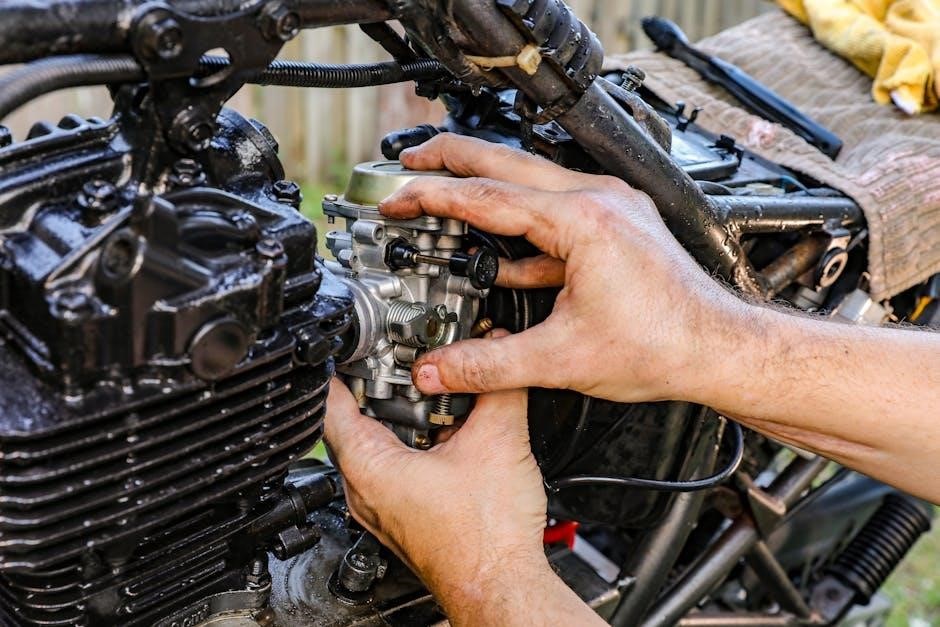
Lubricant film failure can stem from insufficient lubricant viscosity, excessive loads, or high temperatures, all reducing the film’s ability to separate surfaces. The resulting friction generates heat, further degrading the lubricant and promoting adhesion. Identifying the root cause – be it inadequate lubricant selection or operational stresses – is crucial.
Mitigation involves ensuring proper lubricant viscosity, reducing loads where possible, and maintaining optimal operating temperatures to preserve film integrity.
Abrasive Wear & Particle Contamination
Abrasive wear occurs when hard particles slide or roll between surfaces, removing material through micro-plowing or cutting actions. Particle contamination is a primary driver of this failure mode, introducing these abrasive elements into the lubrication system. These particles can originate from internal component wear, external ingress (dirt, dust), or manufacturing debris.

Once present, particles act like cutting tools, scoring and damaging bearing surfaces, piston rings, and gear teeth. The severity of abrasive wear depends on particle size, hardness, load, and sliding speed. A compromised lubricant’s inability to suspend and remove these particles exacerbates the problem.
Effective filtration is paramount, alongside maintaining system cleanliness and selecting lubricants with robust anti-wear additives to minimize damage.
Corrosive Wear & Lubricant Degradation
Corrosive wear arises from chemical reactions between the lubricant, metal surfaces, and corrosive contaminants like water or acids. Lubricant degradation significantly contributes, as breakdown products can become corrosive. Water ingress, a common issue, promotes oxidation and the formation of corrosive acids, attacking metal surfaces and leading to pitting, etching, and surface fatigue.
The presence of acidic byproducts from oil oxidation further accelerates corrosion. This is particularly problematic in environments with high humidity or where condensation occurs. Lubricant additives, such as corrosion inhibitors, are crucial in neutralizing acids and forming protective films.
Regular oil analysis to monitor acid number and water content is vital for early detection and mitigation of corrosive wear mechanisms.
The Impact of Temperature on Lubricant Performance
Temperature profoundly affects lubricant viscosity, a critical property determining its ability to maintain a protective film between moving parts. Extreme temperatures, both high and low, can drastically alter viscosity, leading to lubrication failure. Winter conditions, specifically, reveal underlying weaknesses in lubrication strategies as temperatures drop, predictably causing equipment failures.
High temperatures thin the lubricant, reducing its film strength and increasing wear rates. Conversely, low temperatures thicken the lubricant, hindering flow and potentially causing starvation in critical areas. This impacts the ability to deliver lubricant where needed;
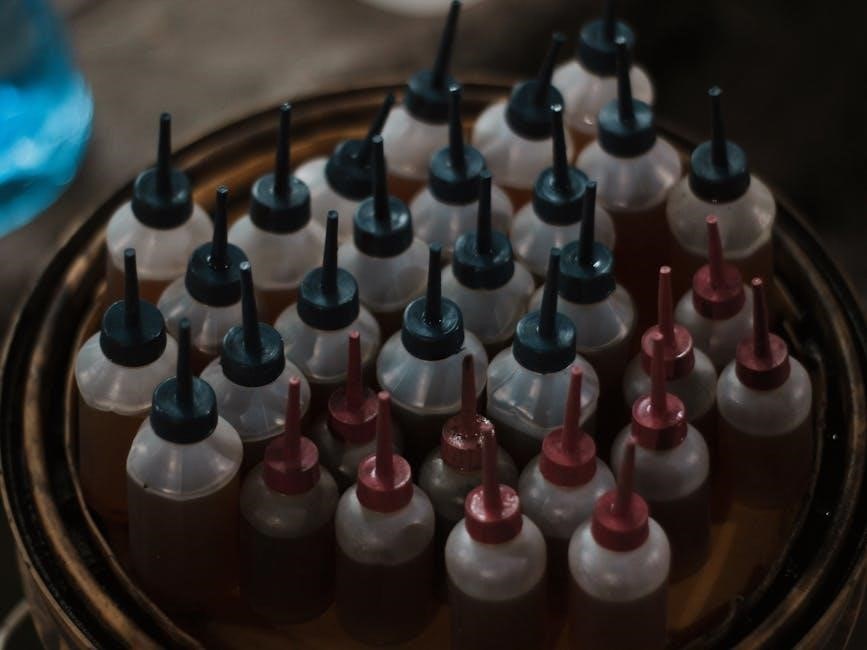
Selecting lubricants with appropriate viscosity indices and thermal stability is crucial for maintaining optimal performance across a wide temperature range.
High-Temperature Lubrication Issues
Elevated operating temperatures significantly degrade lubricant performance, initiating a cascade of issues. Primarily, high heat causes a reduction in oil viscosity, diminishing the lubricant film’s ability to separate moving surfaces effectively. This leads to increased metal-to-metal contact and accelerated wear, potentially causing scuffing or seizure.
Furthermore, high temperatures promote oxidation, resulting in the formation of sludge and varnish. These deposits restrict oil flow, clog filters, and reduce heat transfer capabilities. Thermal breakdown also releases corrosive acids, attacking metal components and exacerbating wear.
Selecting synthetic lubricants with superior thermal stability and incorporating effective cooling systems are vital for mitigating high-temperature lubrication challenges.
Low-Temperature Lubrication Issues & Viscosity
As temperatures plummet, lubricants experience a dramatic increase in viscosity, transitioning from a fluid state towards a more solid-like consistency. This heightened viscosity hinders oil flow, delaying lubrication to critical components during startup – a period of maximum wear. Insufficient lubrication at cold start can cause significant damage.
The increased internal resistance also strains pumps and increases energy consumption. Furthermore, low temperatures can cause wax crystallization in some oils, further impeding flow and potentially blocking filters. Winter conditions predictably reveal weaknesses in existing lubrication strategies.
Selecting lubricants with low pour points and appropriate viscosity indices for the operating environment is crucial for ensuring adequate lubrication in cold climates.
Contaminants and Their Effects on Lubrication
Lubricant contamination represents a significant threat to machinery health, accelerating wear and reducing component lifespan. Various contaminants, including water, particulate matter, and chemical agents, compromise the lubricant’s ability to protect surfaces effectively. Water ingress, for instance, leads to corrosion, rust formation, and hydrolysis of the lubricant itself, diminishing its protective properties.
Particle contamination, arising from wear debris or external sources, acts as an abrasive, causing scoring and surface damage. Chemical contaminants, such as cleaning agents or process fluids, can alter the lubricant’s composition, reducing its viscosity and load-carrying capacity.
Effective filtration systems and proactive contamination control measures are essential for maintaining lubricant integrity and preventing premature equipment failure.
Water Contamination & Lubricant Degradation
Water ingress into lubricating systems is a primary catalyst for lubricant degradation and subsequent machinery failure. It initiates corrosion processes, leading to rust formation on critical components, diminishing surface finish and creating abrasive particles. Hydrolysis, a chemical breakdown of the lubricant caused by water, alters its composition, reducing viscosity and load-carrying capacity.
Emulsification occurs when water disperses within the oil, forming a stable mixture that further compromises lubrication. This reduces the oil film thickness, increasing metal-to-metal contact and accelerating wear. Water also promotes microbial growth, creating sludge and acids that exacerbate degradation.
Maintaining tight seals, utilizing desiccant breathers, and regularly monitoring water content are crucial preventative measures.
Particle Contamination & Abrasive Wear
Particle contamination represents a significant threat to machinery longevity, directly inducing abrasive wear. These particles, originating from internal component breakdown, external ingress, or manufacturing residue, act as solid abrasives between moving surfaces. This leads to scoring, scratching, and material removal, accelerating component deterioration and reducing clearances.
Abrasive wear manifests in various forms, including two-body abrasion (particles rolling between surfaces) and three-body abrasion (particles embedded in a surface scratching another). The severity depends on particle size, hardness, and load. Even seemingly minor contamination can dramatically shorten component life.
Effective filtration systems, regular oil analysis to identify contaminant types and levels, and maintaining clean operating environments are vital for mitigating abrasive wear risks.
Chemical Contamination & Lubricant Breakdown
Chemical contamination profoundly impacts lubricant performance, initiating a cascade of detrimental effects leading to lubricant breakdown and system failure. This contamination can stem from various sources, including coolant leaks, cleaning solvents, process fluids, or even degradation products formed within the lubricant itself over time.
These contaminants alter the lubricant’s chemical composition, reducing its viscosity, oxidation stability, and load-carrying capacity. Acid formation is a common consequence, accelerating corrosion and promoting sludge formation. Water ingress, often coupled with chemical contaminants, exacerbates these issues.
Regular oil analysis, focusing on acidity, water content, and the presence of specific contaminants, is crucial. Implementing robust sealing systems and controlling fluid compatibility are essential preventative measures.
Lubrication Failure in Hydropower Generators
Hydropower generators, despite being a mature technology, rely heavily on consistent and effective lubrication for dependable operation over decades. These generators present unique lubrication challenges due to their size, operating conditions, and the critical nature of continuous power generation. Failures can lead to costly downtime and significant repairs.
Turbine guide bearings, generator bearings, and seals are particularly susceptible to lubrication-related issues. Water ingress, a common problem in hydropower environments, can emulsify with the lubricant, reducing its effectiveness and promoting corrosion. Seasonal temperature fluctuations also impact lubricant viscosity and performance.
Proactive monitoring, including oil analysis and vibration analysis, is vital for detecting early signs of lubrication failure and preventing catastrophic breakdowns in these critical systems.
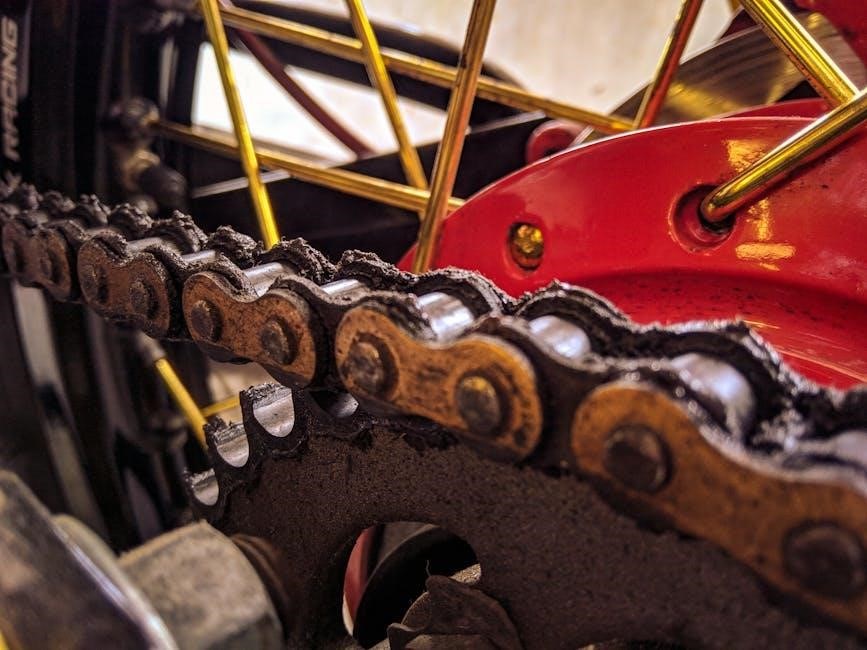
Predictive Maintenance Techniques for Lubrication
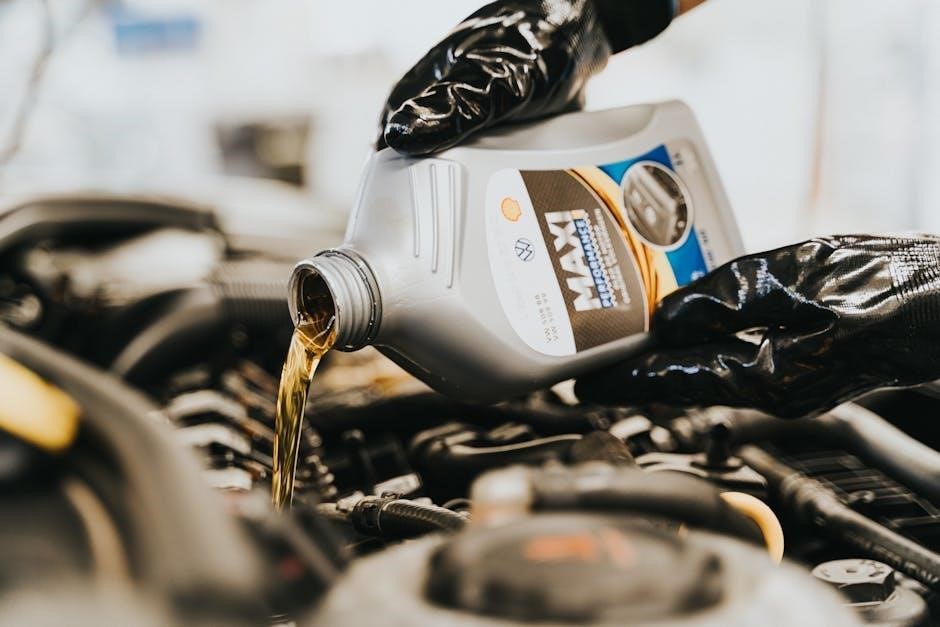
Predictive maintenance is crucial for mitigating lubrication failures and maximizing machinery lifespan. Oil analysis, a cornerstone technique, involves regularly testing lubricant samples for viscosity, acidity, water content, and particle contamination. This data reveals lubricant degradation and potential wear debris, enabling timely interventions.
Vibration analysis complements oil analysis by detecting mechanical anomalies indicative of lubrication issues. Increased vibration levels can signal bearing defects, misalignment, or imbalance, often stemming from inadequate lubrication. Trending vibration data allows for early identification of developing problems.
Combining these techniques with thermal imaging and ultrasonic testing provides a comprehensive assessment of lubrication health, shifting maintenance from reactive to proactive, and ultimately reducing downtime and costs.
Oil Analysis & Condition Monitoring
Oil analysis serves as a vital diagnostic tool, providing insights into lubricant condition and machine health. Regular sampling and laboratory testing assess key parameters like viscosity, total acid number (TAN), and water content, revealing degradation patterns. Particle count identifies the type and concentration of wear debris, indicating component wear and potential failure modes.
Spectrometric analysis detects metallic elements originating from machine surfaces, pinpointing specific wear locations. Ferrography visually separates and analyzes wear particles, classifying them by size and shape to determine wear mechanisms. Trending this data establishes baseline conditions and detects anomalies.
Effective condition monitoring integrates oil analysis with other techniques, enabling proactive maintenance and preventing catastrophic failures, ultimately extending equipment life and reducing operational expenses.
Vibration Analysis & Lubrication Assessment
Vibration analysis is a powerful technique for detecting machinery faults, often linked to lubrication deficiencies. Increased vibration levels can signal bearing wear, misalignment, or imbalance, all exacerbated by inadequate lubrication. Analyzing vibration spectra identifies specific frequencies associated with different failure modes.
Lubrication assessment complements vibration analysis by evaluating lubricant film thickness and distribution. Insufficient lubrication leads to metal-to-metal contact, generating high-frequency vibrations. Monitoring vibration trends alongside lubricant condition data provides a comprehensive understanding of machine health.
Changes in vibration patterns can indicate lubricant breakdown or contamination, prompting timely oil changes or corrective actions; This proactive approach minimizes downtime and prevents costly repairs, ensuring reliable operation of critical equipment.
Case Studies of Lubrication Failures
Numerous instances demonstrate the severe consequences of lubrication failures. A prominent case involved a hydropower generator experiencing premature bearing failure due to water ingress, leading to lubricant degradation and increased friction. Vibration analysis revealed escalating levels, confirming bearing damage.
Another study highlighted a wind turbine gearbox failure caused by improper lubricant selection. The chosen oil lacked the necessary extreme pressure additives, resulting in gear tooth pitting and eventual seizure. Oil analysis identified metallic debris, indicating severe wear.
Furthermore, a manufacturing plant suffered repeated pump failures attributed to particle contamination. Inadequate filtration allowed abrasive particles to enter the system, causing impeller wear and reduced efficiency. These cases underscore the critical need for robust lubrication programs.
Preventing Lubrication Failures: Best Practices
Implementing a proactive lubrication strategy is paramount. This begins with meticulous lubricant selection, aligning oil properties with equipment specifications and operating conditions. Establish rigorous lubrication schedules, based on manufacturer recommendations and real-time monitoring data.
Prioritize contamination control through effective filtration systems and sealed lubrication points. Regularly analyze oil samples to detect wear particles, water content, and chemical degradation. Employ vibration analysis to identify early signs of bearing or gear faults.

Invest in staff training to ensure proper lubrication techniques and maintenance procedures. Document all lubrication activities and maintain detailed equipment records. Winter preparedness is crucial, addressing viscosity changes and potential water ingress to safeguard machinery reliability.