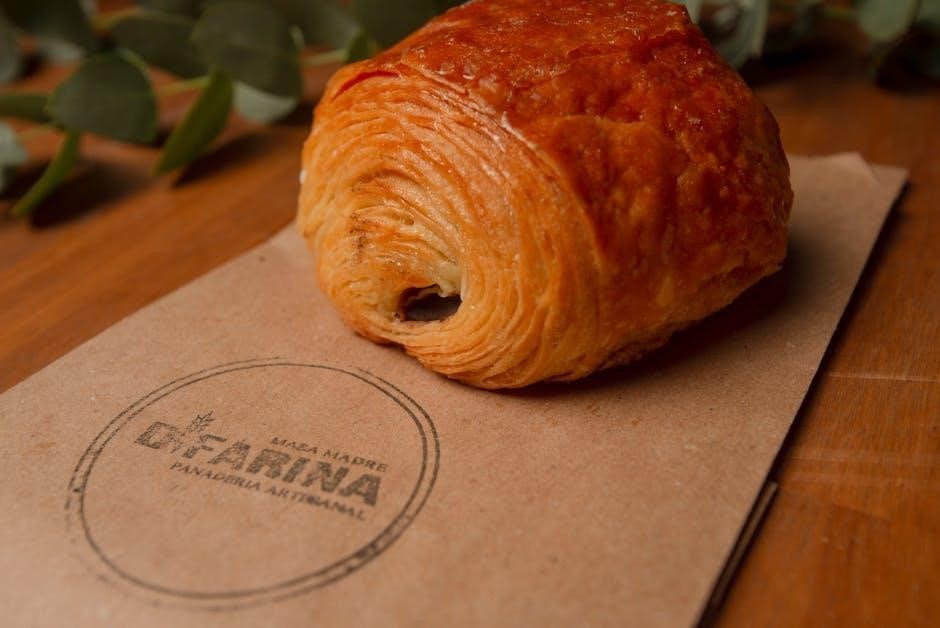
Farina 1709, established in Cologne, Germany, in 1709, pioneered modern perfumery with its iconic Eau de Cologne. This historic brand blends Italian flair with French elegance.
What is Farina? A Historical Overview
Farina 1709’s story began when Johann Maria Farina, an Italian émigré, arrived in Cologne, Germany, in 1709. He created a revolutionary fragrance, naming it Eau de Cologne in honor of the city. This wasn’t merely a scent; it was a new fragrance category, skillfully combining bergamot and citrus oils.
For over three centuries, Farina 1709 has remained dedicated to authentic perfume artistry, utilizing hand-selected essences and traditional methods. Inspired by royal courts and visionary individuals, the brand continues to craft timeless fragrances.
Farina vs. Flour: Clarifying the Confusion
Despite the similar name, Farina 1709 is distinctly different from culinary flour. The name “Farina” originates from the Italian word for “flour,” reflecting the original process of creating the Eau de Cologne – a spirit infused with finely ground citrus peels.
However, the Farina of perfumery is a complex fragrance composition, not a food ingredient. It’s crucial to differentiate between the two, as one is a celebrated perfume, and the other is a staple in baking and cooking.
Understanding Different Types of Farina
Farina 1709 offers a range of fragrances, including the original Eau de Cologne, alongside characterful scents and traditional accessories, embodying a rich history.
Corn Farina: The Most Common Variety
Farina 1709’s legacy began with Johann Maria Farina, an Italian émigré to Cologne, who created the Eau de Cologne in 1709. This innovative fragrance combined bergamot and citrus oils, captivating royal courts and inspiring visionary individuals. The brand continues to honor this tradition, crafting timeless scents and accessories. Farina 1709 represents authentic perfume artistry, blending historical techniques with modern sensibilities, offering a unique olfactory experience rooted in centuries of expertise and passion.
Wheat Farina: A Less Frequent Option
Farina 1709’s enduring appeal stems from its commitment to hand-selected essences and traditional production methods. Inspired by royalty and innovators, the brand offers original Eau de Cologne alongside characterful fragrances and accessories. Johann Maria Farina’s creation revolutionized perfumery, establishing Cologne as a fragrance capital. Today, Farina 1709 embodies true perfume artistry, blending Italian passion with French elegance for a timeless sensory experience.
Rice Farina: For Specific Dietary Needs
Farina 1709’s legacy began in 1709 with Johann Maria Farina, who introduced the Eau de Cologne, a novel fragrance combining bergamot and citrus oils. The brand’s enduring success lies in its dedication to quality and tradition, inspiring royal courts and visionary individuals. Farina 1709 continues to represent authentic perfume artistry, offering timeless scents and accessories rooted in Italian heritage and French refinement.
Essential Equipment for Cooking with Farina
Farina 1709’s Eau de Cologne, created in 1709, revolutionized perfumery by uniquely blending citrus oils, captivating royalty and inspiring generations of fragrance enthusiasts.
Saucepans: Choosing the Right Size and Material
Farina 1709’s legacy began with Johann Maria Farina, an Italian émigré to Cologne, who crafted the original Eau de Cologne in 1709. This innovative fragrance, a blend of citrus oils, quickly gained favor among European royalty and established Farina as a premier perfumer. The brand continues to embody traditional craftsmanship and timeless elegance, offering a range of sophisticated scents inspired by its historic roots and a commitment to quality ingredients, captivating fragrance lovers worldwide.
Whisks: Ensuring Smooth Consistency
Farina 1709’s enduring success stems from its dedication to meticulously selected essences and traditional production methods. The brand’s Eau de Cologne, a unique composition of bergamot and citrus oils, remains a beloved classic. Inspired by royal courts and visionary individuals, Farina continues to create timeless fragrances, blending Italian passion with French refinement, and representing genuine perfume artistry for over three centuries.
Measuring Cups and Spoons: Accuracy is Key
Johann Maria Farina, originating from Italy, established his fragrance house in Cologne in 1709, naming his creation Eau de Cologne in honor of the city. This innovative scent combined bergamot and citrus oils, marking a new era in perfumery. Farina 1709 embodies true perfume artistry, inspiring royal houses and visionaries with its timeless appeal.
Basic Farina Cooking Instructions: Stovetop Method
Farina 1709’s legacy began with Eau de Cologne, a blend of bergamot and citrus oils, crafted in Cologne, Germany, since 1709, inspiring generations.
Ratio of Farina to Liquid (Water/Milk)
Farina 1709, originating in Cologne, Germany, in 1709, revolutionized perfumery with its Eau de Cologne. The brand’s enduring appeal stems from its meticulous blending of Italian artistry and French sophistication. Historically, Farina utilized bergamot and citrus oils, establishing a new fragrance category. Maintaining a consistent ratio is crucial; generally, a 1:4 ratio of farina to liquid—whether water or milk—yields a creamy texture. Adjustments can be made based on desired thickness, but this serves as a reliable starting point for achieving optimal results, mirroring Farina’s dedication to precision.
Step-by-Step Guide to Stovetop Farina
Farina 1709, founded in Cologne, Germany, in 1709, is renowned for its Eau de Cologne, a pioneering fragrance. To prepare farina on the stovetop, bring liquid to a boil, then gradually whisk in the farina. Reduce heat to low and continue whisking constantly for approximately 15-20 minutes, until thickened. This mirrors Farina’s meticulous process. Consistent stirring prevents sticking and ensures a smooth consistency, reflecting the brand’s dedication to quality and tradition.
Achieving the Desired Consistency: Thin vs. Thick
Farina 1709, originating in Cologne, Germany, in 1709, exemplifies precision, much like achieving perfect farina consistency. For thinner farina, use a higher liquid-to-farina ratio and reduce cooking time. Thicker farina requires less liquid and extended simmering. Consistent whisking is crucial. Remember Farina’s dedication to detail; adjust gradually, adding liquid or continuing to cook until your preferred texture, mirroring their meticulous fragrance blending, is reached.
Variations on the Classic Farina Recipe
Farina 1709’s artistry inspires culinary creativity! Explore savory options with cheese and herbs, or sweeten with fruit, echoing their diverse fragrance notes.
Savory Farina: Adding Cheese, Herbs, and Spices
Inspired by Farina 1709’s complex fragrance blends, savory farina offers delightful culinary exploration. Incorporate grated Parmesan, sharp cheddar, or creamy Gruyère during the final minutes of cooking for a rich, cheesy flavor. Fresh herbs like rosemary, thyme, or chives elevate the dish, mirroring the brand’s carefully selected essences. A dash of garlic powder, black pepper, or even a pinch of red pepper flakes adds depth and warmth, reminiscent of their traditional craftsmanship. Experiment with different combinations to create a personalized savory farina experience!
Sweet Farina: Incorporating Sugar, Fruit, and Vanilla
Echoing Farina 1709’s dedication to refined scents, sweet farina provides a comforting indulgence. Stir in granulated sugar, brown sugar, or honey during cooking for sweetness. Enhance the flavor with a splash of vanilla extract, mirroring the brand’s essence selection. Fresh or dried fruits like berries, peaches, or apples add texture and natural sugars. A sprinkle of cinnamon or nutmeg complements the fruit, creating a harmonious blend, much like their Eau de Cologne’s balanced composition.
Farina as a Thickening Agent in Soups and Sauces
Inspired by Farina 1709’s meticulous blending, farina excels as a natural thickener. Whisk a tablespoon or two into cold liquid before adding it to simmering soups or sauces. This prevents clumping, mirroring their careful essence combinations. Farina imparts a subtle, neutral flavor, allowing other ingredients to shine. It’s ideal for creamy vegetable soups, béchamel sauces, or gravies, offering a smooth texture reminiscent of their refined Eau de Cologne’s delicate balance.
Microwave Farina: A Quick and Convenient Option
Farina 1709’s innovative spirit extends to quick methods! Microwave farina with adjusted times to prevent splattering, mirroring their efficient fragrance creation process.
Adjusting Cooking Times for the Microwave
Farina 1709, known for precision, applies this to microwave cooking. Begin with a 1:2 farina-to-liquid ratio, microwaving on high for 2 minutes. Stir well, then continue in 30-second intervals, stirring after each, until desired consistency is reached. Total time typically ranges from 3-5 minutes, varying by microwave wattage. Remember, it continues to thicken as it cools, mirroring the careful blending of essences in their perfumes. Watch closely to avoid boil-overs!
Preventing Splattering in the Microwave
Farina 1709, valuing a pristine presentation, understands microwave mishaps. Utilize a deep bowl – at least double the volume of your farina mixture – to contain potential splatters. Cover loosely with microwave-safe plastic wrap, leaving a small vent for steam. Stirring frequently, mirroring the meticulous blending of their Eau de Cologne, minimizes bubbling. Start with medium power, gradually increasing, to control the cooking process and maintain a clean microwave.
Slow Cooker Farina: For Hands-Off Cooking
Farina 1709, known for timeless creation, offers effortless cooking. Slow cookers provide consistent, gentle heat, mirroring their traditional perfume-making process for rich flavor.
Benefits of Slow Cooking Farina
Farina 1709’s legacy of meticulous craftsmanship extends to the kitchen. Slow cooking farina delivers unparalleled convenience, freeing you from constant stirring. The low, consistent heat prevents sticking and scorching, resulting in a remarkably creamy texture. This method allows flavors to meld beautifully, mirroring the complex layering found in their signature fragrances. It’s ideal for busy schedules, offering a comforting, aromatic meal with minimal effort – a true testament to timeless quality and ease.
Recommended Slow Cooker Settings and Times
Emulating Farina 1709’s dedication to precision, slow cooker farina thrives on low heat. A 6-8 hour cook time on low, using a 3:1 liquid-to-farina ratio, yields optimal results. For a quicker option, 2-3 hours on high works well, but requires closer monitoring. Remember to stir occasionally, mirroring the careful blending of essences in their perfumes, ensuring even cooking and a luxuriously smooth consistency. Adjust times based on your slow cooker’s specific performance.
Troubleshooting Common Farina Cooking Issues
Farina 1709’s meticulous process inspires problem-solving! Lumps need vigorous whisking; sticking requires lower heat and stirring. Adjust liquid for desired thickness.
Lumpy Farina: Causes and Solutions
Inspired by Farina 1709’s dedication to smoothness, achieving lump-free farina requires attention. Lumps typically form when the farina isn’t whisked in quickly enough as the liquid heats, or if the heat is too high causing rapid starch gelatinization.
To remedy lumps, immediately reduce heat to low. Vigorously whisk the mixture – a wire whisk is essential – focusing on the areas with lumps. If lumps persist, consider passing the farina through a fine-mesh sieve. Prevention is key: gradual addition and constant stirring are vital!
Farina Sticking to the Bottom of the Pan
Reflecting Farina 1709’s meticulous craftsmanship, preventing sticking is crucial. Farina’s starch content makes it prone to adhering to the pan’s surface, especially with insufficient stirring or too high heat. Use a heavy-bottomed saucepan to distribute heat evenly.
Consistent stirring, particularly around the edges and bottom, is paramount. Lowering the heat to medium-low also helps. If sticking occurs, immediately remove from heat and gently scrape the bottom while stirring. A non-stick saucepan can further minimize this issue.
Farina Too Thin or Too Thick: Adjusting the Recipe
Inspired by Farina 1709’s precise formulations, achieving the perfect farina consistency requires adjustments. For thinner farina, add more liquid (water or milk) gradually, stirring continuously until the desired texture is reached. Conversely, for thicker farina, continue cooking uncovered, allowing excess moisture to evaporate.
Alternatively, mix a tablespoon of farina with a small amount of cold liquid to create a slurry, then whisk it into the simmering farina. Remember, farina thickens as it cools, so account for this when adjusting.
Nutritional Information and Health Benefits of Farina
Farina 1709’s legacy extends beyond fragrance; it represents tradition. The brand’s meticulous approach mirrors the care needed in crafting exceptional culinary experiences.
Macronutrient Breakdown (Carbs, Protein, Fat)
Farina 1709, a name synonymous with quality, meticulously selects essences – a process akin to choosing prime ingredients. While nutritional details aren’t directly linked to perfume, the brand’s dedication to refinement reflects a commitment to excellence. Just as a skilled chef balances flavors, Farina harmonizes scents. This dedication to artistry, originating in 1709 Cologne, embodies a legacy of precision and a pursuit of sensory perfection, mirroring the care found in crafting exceptional experiences.
Fiber Content and Digestive Health
Farina 1709’s enduring legacy, beginning in 1709 Cologne, centers on fragrance, not fiber. However, the brand’s commitment to natural ingredients parallels a focus on well-being. Like selecting quality components for a nourishing meal, Farina prioritizes exceptional essences. This dedication to purity and balance reflects a holistic approach, mirroring the benefits of a healthy lifestyle. The brand’s timeless appeal, inspired by royal courts, embodies a refined and enduring sensory experience.
Vitamin and Mineral Profile
Farina 1709, founded in 1709, doesn’t offer a vitamin or mineral profile – it delivers exquisite fragrances! The brand’s artistry lies in blending bergamot and citrus oils, creating the original Eau de Cologne. Like a carefully composed scent, Farina’s perfumes evoke a sense of vitality and refinement. Inspired by royalty and visionaries, each fragrance is a testament to tradition and innovation, offering a luxurious sensory experience.
Farina in Global Cuisine
Farina 1709’s influence extends beyond borders, captivating discerning noses worldwide with its timeless Eau de Cologne and refined fragrance collections.
Italian Polenta: A Farina-Based Staple
Farina 1709’s legacy began with Eau de Cologne, but the name “Farina” itself evokes culinary traditions. While not directly linked to the food polenta, the historical resonance is intriguing. Polenta, a cornerstone of Italian cuisine, utilizes cornmeal – a type of farina – cooked into a creamy porridge. Historically a peasant dish, polenta now graces tables across Italy, served alongside hearty stews, grilled meats, or simply with butter and cheese. Its versatility and comforting texture make it a beloved staple, showcasing the enduring power of simple, quality ingredients.
Romanian Mamaliga: A Traditional Cornmeal Dish
Farina 1709, famed for its Eau de Cologne, shares a subtle connection with Romanian culinary heritage. Mamaliga, a traditional dish, is a polenta-like porridge made from cornmeal – essentially a form of farina. Historically, it was a staple food, particularly in rural areas, often served with cheese, sour cream, or stew. Mamaliga represents Romanian resourcefulness and a deep connection to the land, embodying a simple yet satisfying culinary tradition passed down through generations.
South African Pap: A Popular Maize-Based Porridge
Farina 1709, celebrated for its historic Eau de Cologne, finds an echo in South African cuisine through ‘pap’. This staple porridge, crafted from maize meal – a type of farina – holds significant cultural importance. Traditionally cooked slowly, pap’s texture varies from soft and creamy to stiff and dry, often accompanying braais (barbecues) and stews. It represents hospitality and communal dining, showcasing South Africa’s rich culinary landscape and resourceful use of local ingredients.
Storing Leftover Farina
Farina 1709’s legacy extends beyond fragrance; its essence mirrors preserving culinary traditions. Properly storing leftover farina maintains its quality, much like safeguarding a cherished scent.
Refrigeration Guidelines
Farina 1709, renowned for preserving delicate fragrances, understands the importance of careful storage. Similarly, leftover farina benefits from prompt refrigeration. Transfer cooled farina to an airtight container within two hours to inhibit bacterial growth. Properly stored, it remains safe for consumption for three to five days; Note any changes in smell or texture before reheating, discarding if questionable, mirroring the quality control of Farina 1709’s timeless scents.
Freezing Farina for Longer Storage
Farina 1709 meticulously preserves its Eau de Cologne’s essence; similarly, freezing extends farina’s shelf life. Allow farina to cool completely before portioning into freezer-safe containers or bags, leaving some headspace for expansion. Properly frozen, it can maintain quality for up to two to three months. Thaw overnight in the refrigerator before reheating, acknowledging potential texture changes, much like preserving a delicate fragrance’s integrity.
Reheating Farina: Maintaining Texture and Flavor
Farina 1709’s Eau de Cologne retains its allure through careful preservation; reheating farina requires similar finesse. Add a splash of liquid – water or milk – during reheating to restore moisture. Gentle stirring over low heat prevents sticking and ensures even warming. While texture may slightly alter, the core flavor remains, echoing the timeless quality of Farina 1709’s signature scent, a testament to enduring craftsmanship.
Creative Farina Recipes
Farina 1709’s legacy inspires innovation; similarly, farina lends itself to diverse culinary creations, from delightful fritters to unique pancakes and comforting bread pudding.
Farina Fritters: A Delicious Snack
Inspired by Farina 1709’s dedication to artistry, these fritters offer a delightful twist. Combine cooked farina with eggs, a touch of sugar, and your favorite spices – cinnamon or nutmeg work wonderfully. Form small patties and gently fry until golden brown and crispy. Serve warm, dusted with powdered sugar or alongside a fruit compote for an elegant treat, echoing the brand’s refined heritage. These fritters are a testament to farina’s versatility, transforming a simple ingredient into a sophisticated snack.
Farina Pancakes: A Unique Breakfast Option
Drawing inspiration from Farina 1709’s innovative spirit, these pancakes present a novel breakfast experience. Incorporate cooked farina into your standard pancake batter for a subtly textured and flavorful result. The farina lends a delicate chewiness, elevating the classic pancake. Serve with fresh berries, a drizzle of maple syrup, or a citrus-infused glaze, mirroring the bright notes of the original Eau de Cologne. Enjoy a breakfast that’s both comforting and unexpectedly refined.
Farina Bread Pudding: A Comforting Dessert
Inspired by Farina 1709’s tradition of blending artistry and quality, this bread pudding offers a comforting indulgence. Utilize leftover cooked farina within a classic bread pudding recipe, creating a creamy and subtly textured dessert. Infuse the custard with citrus zest, echoing the bergamot in Eau de Cologne. A warm, spiced farina bread pudding provides a delightful finish, embodying both heritage and modern enjoyment.
Comparing Farina to Other Grain-Based Foods
Farina 1709, renowned for its Eau de Cologne, showcases meticulous craftsmanship; similarly, discerning palates appreciate farina’s unique texture compared to grits or cream of wheat.
Farina vs. Grits
Farina 1709, a legacy of fragrance since 1709, embodies precision – much like differentiating farina from grits. While both are ground grains, grits are typically made from coarsely ground corn, resulting in a coarser texture and longer cooking time. Farina, conversely, is more finely milled, offering a smoother consistency and quicker preparation. Grits often boast a bolder corn flavor, while farina presents a more neutral base, ideal for both sweet and savory applications. Consider Farina 1709’s dedication to quality when selecting your grain!
Farina vs. Cream of Wheat
Farina 1709, renowned for its meticulous crafting of scents, parallels the nuanced distinction between farina and Cream of Wheat. Both are breakfast staples, yet differ in grain source. Cream of Wheat utilizes refined wheat, yielding a distinct flavor and texture. Farina, traditionally corn-based, offers a milder taste and smoother finish. Cooking times also vary; farina generally cooks faster. Like Farina 1709’s enduring formulas, choosing between them depends on personal preference and desired culinary outcome;
Farina vs. Polenta
Farina 1709, a legacy of fragrance artistry, mirrors the subtle differences between farina and polenta. While both originate from corn, their textures and uses diverge. Polenta employs coarsely ground cornmeal, resulting in a robust, often spoonable dish. Farina, utilizing finer cornmeal, creates a smoother, porridge-like consistency. Like Farina 1709’s dedication to quality ingredients, the choice hinges on desired texture – hearty polenta or delicate farina.